Yugoslavia

Sports in Yugoslavia
The theme of the sporting achievements of the Socialist Federal Republic of Yugoslavia is one of the brightest and most impressive pages in the history of world sport in the twentieth century. Despite its relatively small population compared to giants such as the USA, the USSR, or China, Yugoslavia consistently ranked among the top ten countries in the world by the number of medals won at the Olympic Games, which testifies to the exceptional efficiency of the country's sporting system. This phenomenon is explained by the state's systematic approach to developing physical culture, the wide accessibility of sports sections for all segments of the population, and the intense internal competition that hardened athletes' character before international performances.
A special place in the hearts of Yugoslav fans and in the world sporting chronicle was occupied by team sports, where the country achieved the status of an unquestioned superpower.
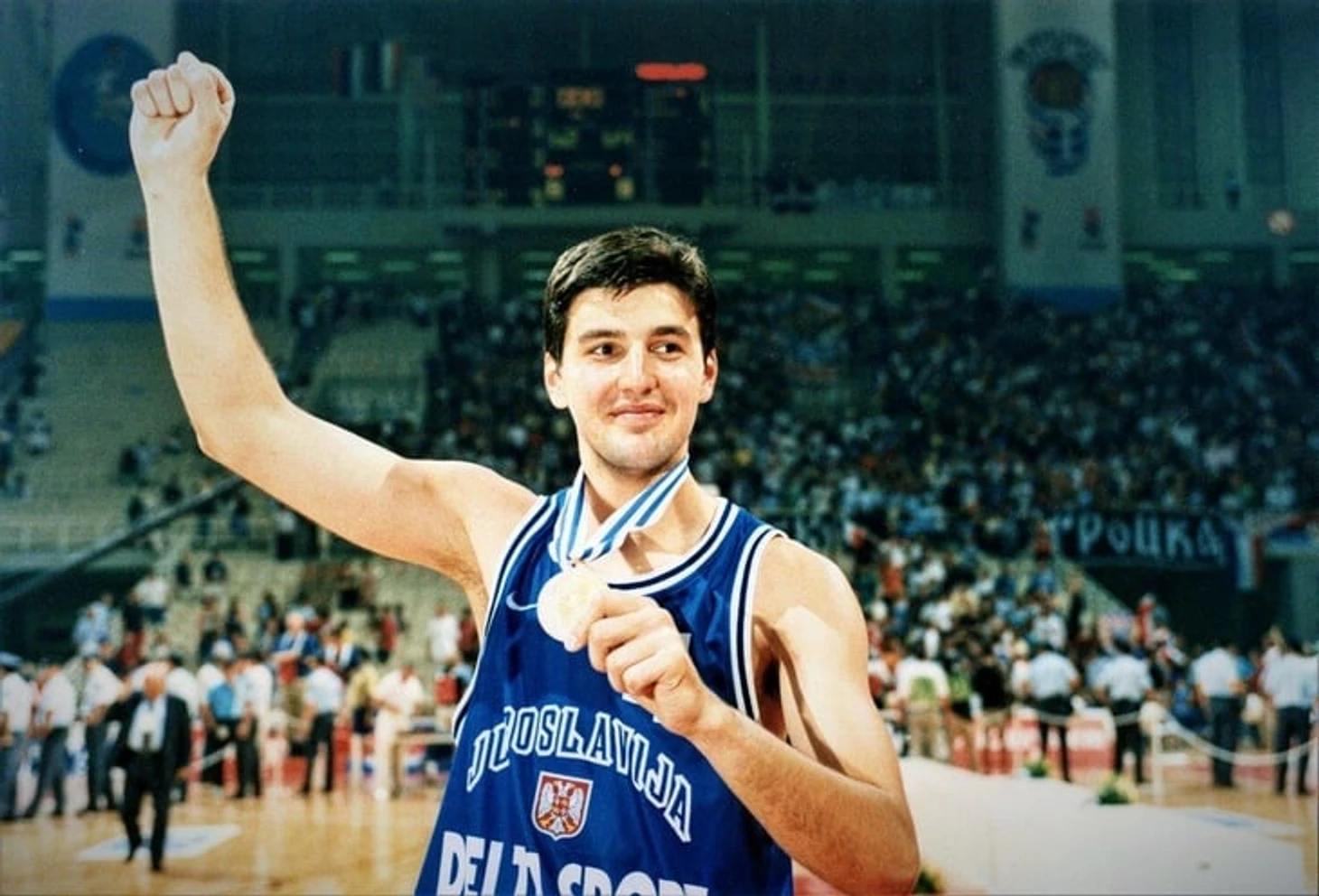
Basketball became a true national pride and the hallmark of Yugoslavia. The men's national team won the World and European Championships many times, demonstrating a unique style of play that combined European tactics with individual mastery. Legendary basketball clubs such as Bosna of Split, Crvena Zvezda of Belgrade, Cibona of Zagreb, and Partizan of Belgrade regularly dominated in European cups, winning the European Champions' Cup and the Cup Winners' Cup. The names of the stars of the Yugoslav basketball school, such as Drazen Petrovic, Vlade Divac, Toni Kukoc, Radivoj Korac, and Dragan Kicanovic, are known all over the world and made an invaluable contribution to the global popularization of this sport; many of them later performed successfully in the National Basketball Association of the USA.
The water polo national team was also a permanent leader of the world ranking for decades. Yugoslav water polo players won numerous Olympic gold medals and world champion titles, often winning tournaments in dramatic competition with the strongest teams of Hungary and the USSR. Handball and volleyball brought the country a huge number of awards both at the Summer Olympics and at the World Championships. The men's and women's handball national teams repeatedly became Olympic champions, and handball clubs from Yugoslavia, such as Metaloplastika and Borac, won European Champions' Cups, setting standards of play for the entire continent. In football, Yugoslavia regularly qualified for the World Cups and European Championships, often reaching the semifinals and being considered one of the most technical and talented teams on the continent. Players such as Dragan Dzajic, Dragan Stojkovic, Robert Prosinecki, and Davor Suker were part of the elite of world football. Club football also had its loud achievements, culminating in the victory of Crvena Zvezda of Belgrade in the European Champions' Cup in 1991, which became the last major triumph before the breakup of the country and confirmed the high level of the coaching and playing school.
Winter sports received a powerful impetus for development after the 1984 Winter Olympic Games were held in Sarajevo. This event became a symbol of success, modernization, and openness of Yugoslavia, showing the world the country's developed infrastructure and high organizational capabilities. Yugoslav alpine skiers, such as Bojan Krizaj and Jure Franko, won Olympic medals, which was a rarity for athletes from regions not considered traditional leaders in winter sports. Tennis also became a hallmark of the country in the later period of its existence. Monica Seles and Goran Ivanisevic became world stars of the first magnitude, winning Grand Slam tournaments and taking top positions in world rankings, inspiring a new generation of athletes in the Balkans.
The successes in sport were inseparably linked with the social policy of the state and the ideology of brotherhood and unity. Sport was regarded as an important element in educating the youth, strengthening health, and creating a common identity for the peoples of the federation. Stadiums, swimming pools, and sports halls were built all over the country, from large industrial centers to small towns, providing access to training for talented children regardless of their social background or nationality. The system of sports schools and clubs made it possible to identify talents at an early stage and provide them with everything necessary for growth, including coaches, equipment, and the opportunity to participate in competitions. This created healthy competition and a high level of mastery, which allowed Yugoslav athletes to perform successfully against professionals from Western countries, despite the status of a socialist state with a limited market.
The legacy of Yugoslav sport remains impressive and recognizable even after the breakup of the country in the 1990s. The republics that were part of the SFRY continue to traditionally perform strongly on the international arena, especially in those sports where a powerful foundation was laid in the socialist period. Basketball, water polo, handball, and tennis remain priority areas for the successors of Yugoslavia, such as Serbia, Croatia, Montenegro, and Slovenia. Many coaches and specialists from these countries are in demand worldwide, passing on experience and methods developed back in the Yugoslav school. The sporting achievements of that time serve as a reminder of a period when sport united people of different nationalities under one flag, bringing moments of joy and pride to millions of fans and distracting from political disagreements.
Thus, the sporting history of Socialist Yugoslavia is a vivid example of how well-thought-out state policy, investment in infrastructure, and public enthusiasm can turn a country into a world leader. The medals, cups, and records won by Yugoslav athletes occupy an honored place in the chronicle of world sport and continue to inspire new generations.