Yugoslavia

Cinema of Yugoslavia
The cinema of the Socialist Federal Republic of Yugoslavia occupies a special place in the history of world film art, representing a unique phenomenon that combined socialist ideology, artistic freedom, and commercial success. In the postwar years, cinema became one of the priority areas of the state's cultural policy, regarded as a powerful means of educating the new man and strengthening the brotherhood and unity of the federation's peoples. Thanks to state support, major film studios were created, such as Avala Film in Belgrade and Jadran Film in Zagreb, which were equipped with modern equipment and allowed films of a high technical standard to be shot.
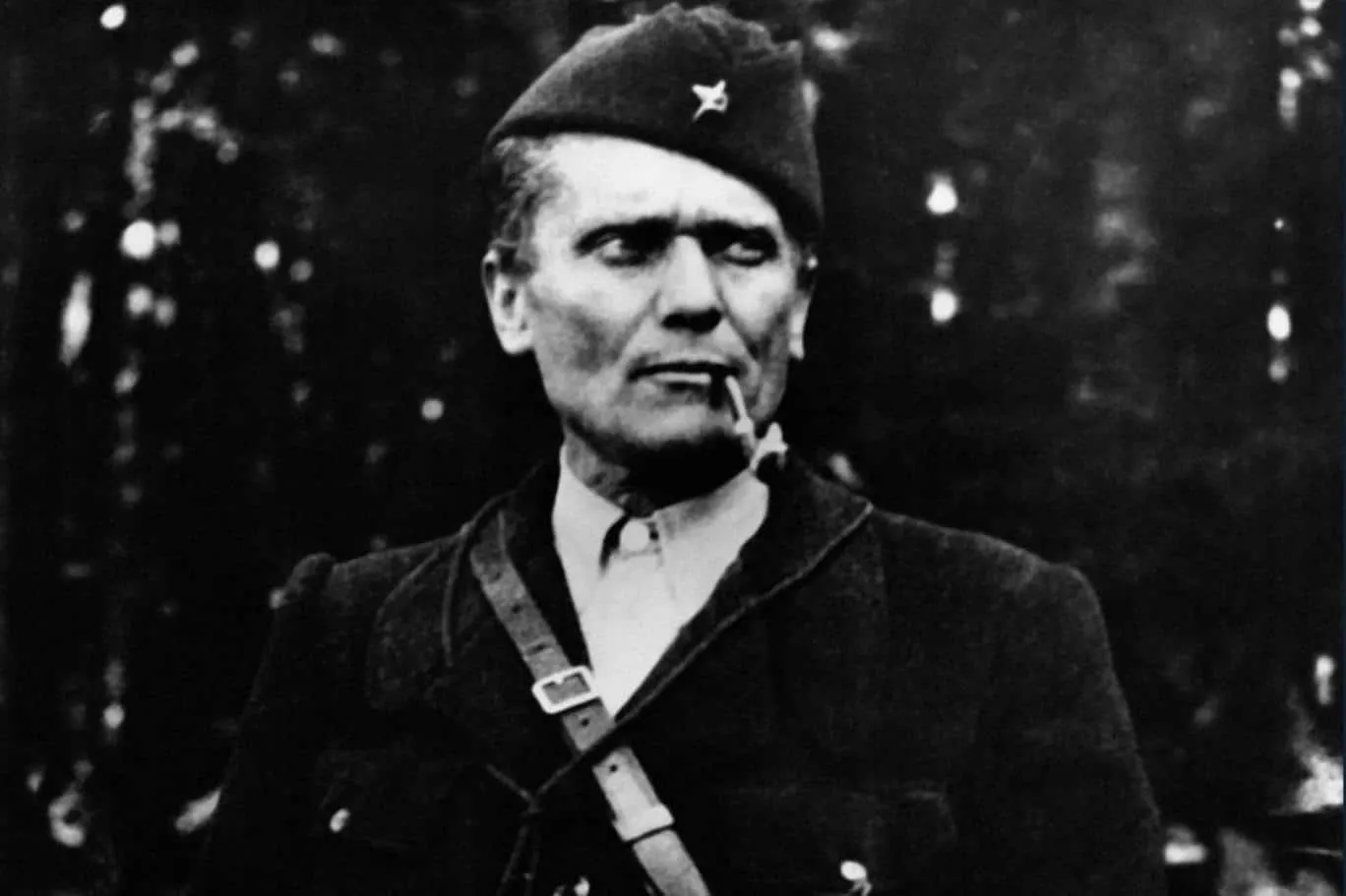
The first significant stage in the development of Yugoslav cinema was the creation of the partisan film genre. These large-scale epic canvases were devoted to the events of the People's Liberation War and played an important role in shaping national identity and the memory of resistance to fascism. Films such as The Battle of Neretva and Sutjeska stood out for their enormous budgets, the involvement of international stars like Yul Brynner and Orson Welles, and impressive battle scenes. These pictures enjoyed enormous popularity not only inside the country but also beyond its borders, demonstrating the ability of the Yugoslav industry to produce blockbusters that could compete with Hollywood ones. However, Yugoslav cinema was not limited to propaganda or entertainment films alone, and already in the 1960s a period of flourishing of auteur style began, which brought the country worldwide fame.
A special place in history is occupied by the movement known as the Black Wave, which emerged in the late 1960s and continued through the 1970s. Directors of this trend, such as Dusan Makavejev, Zelimir Zilnik, and Aleksandar Petrovic, strove for maximum artistic freedom and a critical interpretation of social reality. Their films often touched upon taboo topics, showed the underside of socialist society, bureaucracy, poverty, and human weaknesses, which was uncharacteristic of the cinema of other socialist countries. Makavejev's work WR: Mysteries of the Organism became a cult film exploring the connection between politics and sexuality, and although it caused controversy at home, it received recognition in the West. This relative creative freedom was possible thanks to Yugoslavia's unique position between East and West, which allowed directors to participate in international festivals and collaborate with foreign producers.
Parallel to auteur cinema, a powerful industry of comedies and dramas oriented toward the mass viewer developed. Yugoslav film comedies, such as Who's Singing Over There and Tight Skin, became classics quoted by generations of inhabitants of the former republics. Actors like Dragan Nikolic, Bata Zivojinovic, and Pavle Vuisic became true popular favorites, whose faces were recognizable in every home. These films often used gentle satire and Balkan humor to reflect everyday life, the problems of the little man, and social contrasts. The film distribution system was well organized, tickets were affordable, and going to the cinema remained one of the most popular forms of leisure for citizens of all republics. An important event in the country's cultural life was the Pula Film Festival, which was often called the Yugoslav Cannes. At this showcase, the best national films were presented annually, the Golden Arena award was given out, and the main stars of the Yugoslav screen gathered, which contributed to healthy competition and the exchange of experience between filmmakers of different republics.
In the 1980s, Yugoslav cinema experienced a new rise associated with the name of Emir Kusturica. His films When Father Was Away on Business and Do You Remember Dolly Bell? received the highest awards of the Cannes Film Festival, including the Palme d'Or, which was a triumph for the entire country. Kusturica's style, combining magical realism, tragicomedy, and vivid visual images, drew the attention of the world public to the Balkan cultural code. The success of Kusturica and other directors of that period, such as Goran Paskaljevic and Lordan Zafranovic, confirmed the high level of the directing school and screenwriting mastery in Yugoslavia. The film industry also actively participated in international co-productions, especially with Italy and France, which allowed the introduction of new technologies and the expansion of the geography of filming.
However, the late 1980s and early 1990s became a period of decline for Yugoslav cinema. The political crisis, economic sanctions, and the wars that began in the territory of the former federation led to the destruction of infrastructure, the closure of studios, and the emigration of many talented specialists. Film production sharply declined, and the unified cultural space collapsed along with the country. Nevertheless, the legacy of Yugoslav cinema remains alive and influential. Films of that period are regularly shown at retrospectives around the world, and directors from the successor states of Yugoslavia continue the traditions of the national school, receiving recognition at international festivals. The cinema of Yugoslavia proved that it is possible to create a powerful cultural industry capable of speaking the universal language of art and leaving a mark on history.