1960 –
present
Somalia

Independence of Somalia
The history of Somalia is a striking example of how the geopolitical interests of superpowers influenced the fate of young African states. The country was formed in 1960 by the unification of Italian and British Somaliland, which became a rare case of the reunification of divided colonial territories into a single national state. French Somaliland, which remained a separate territory, received independence later, in 1977, becoming the state of Djibouti.
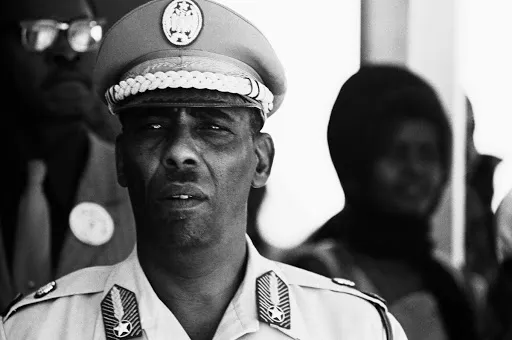
In the first years of independence, Somalia adhered to neutrality, but after the military coup of 1969 and the coming to power of General Mohamed Siad Barre, the vector of foreign policy sharply changed. Barre declared a course toward building socialism, which led to a rapprochement with the Soviet Union. The scale of Soviet assistance can be estimated: loans of tens of millions of dollars, deliveries of armored vehicles and aviation, the creation of a fleet, the construction of a modern port in Berbera, and the training of hundreds of officers. The ideological rapprochement was so strong that the streets of Somali cities were decorated with posters depicting Marx, Lenin, and Barre. Successes were achieved in the elimination of illiteracy and the development of industry. However, Barre's regional ambitions, in particular the claims to the Ethiopian region of Ogaden, led to a conflict of interests. When the war for Ogaden began in 1977, the USSR took the side of Ethiopia, where Marxists had come to power, which was perceived in Mogadishu as a betrayal. This led to a rupture of diplomatic relations with the USSR and Somalia's reorientation toward the United States, which received access to airbases.
The loss of Soviet support, coupled with clan fragmentation and Barre's authoritarianism, contributed to destabilization. After the president's flight in 1991, the country broke up into several parts, plunging into the chaos of civil war and becoming a refuge for pirates. This example demonstrates the fragility of state institutions under conditions of external dependence and internal ethnic contradictions.